
How is a commercial building tested for radon?
A commercial building is tested through a measurement plan that identifies locations, test conditions and reporting requirements. Air Sense's published service describes multiple measurement points and documentation of results by location. One room's measurement should not be presented as a complete picture of an entire property.
Start by identifying the decision the report needs to support. A building purchase, tenant concern and recurring facilities program may have different deliverables. Provide any lender, owner or agency instructions before devices are scheduled so the contractor can confirm the applicable scope.
- Property address and number of buildings.
- Floor plans and occupied ground-contact spaces.
- Access contacts and operating hours.
- Existing reports and requested reporting format.
How is a commercial radon mitigation system designed?
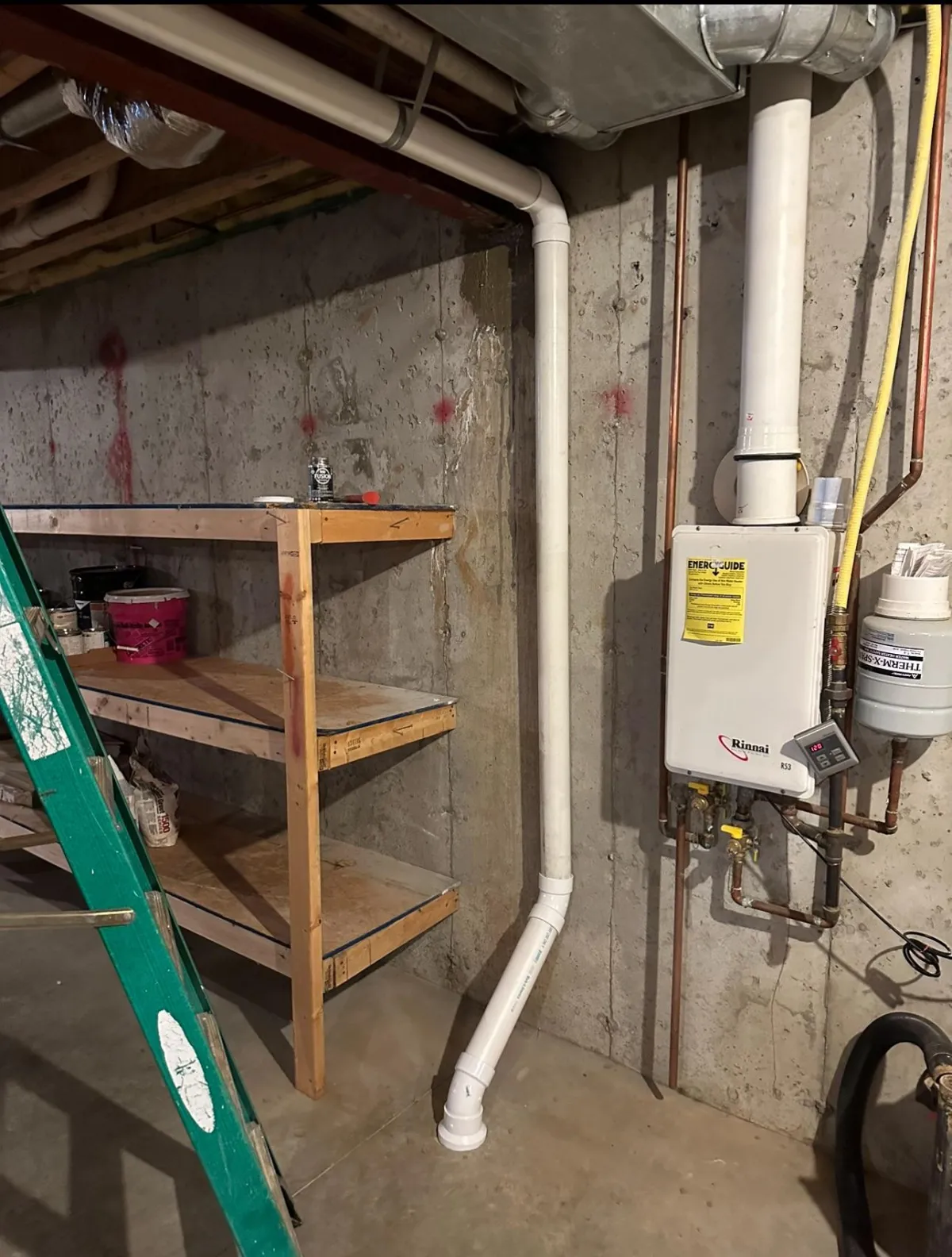
A commercial radon mitigation system is designed around the building's foundation, layout and operating conditions. The proposal should explain where the work will occur and how performance will be checked. A larger building may need more than one suction location or a different approach from a single-family home.
Ask the designer to connect the proposed work to the test findings. Identify any coordination needed with facilities staff, tenants, roof access or other trades. Do not assume that a residential system price or layout applies to a commercial property with different access and documentation requirements.
- Locate proposed equipment and pipe routes.
- Clarify access to occupied or restricted spaces.
- State the post-work measurement scope.
- Request operating and maintenance instructions.
What does commercial radon testing cost?
Commercial radon testing is quoted for the building and measurement scope. Device quantity, number of structures, site access and reporting needs all belong in the request. Air Sense quotes commercial testing separately from mitigation; ordering a measurement does not commit you to an installation.
Compare proposals using the same assumptions. A low total is difficult to interpret if one proposal omits a building, follow-up work or a requested report. Ask how failed access, disturbed devices or a repeat measurement would be handled.
- Number of buildings included in the quote.
- Planned measurement locations and purpose.
- Placement, retrieval and reporting responsibilities.
- Any separate follow-up or mitigation proposal.
Which St. Louis buildings need radon testing?
St. Louis building owners may request radon testing for due diligence, occupant concerns or a specific lender or program requirement. Air Sense lists offices, apartments, retail, warehouses and medical facilities among its commercial property types. Confirm the fit for your building before scheduling.
The site's apartment guide addresses unit access and program questions. School and daycare projects need a separate review of facility rules and contractor qualifications; those projects should not be booked on the assumption that a general commercial service statement confirms every requirement.
Call Air Sense Environmental at 314-664-9807 with the property address and project brief. Provide a deadline as a planning input, then have the measurement and reporting dates confirmed. This avoids treating a requested due date as a promised completion date.
- Name the owner or manager authorizing the project.
- Identify the party that will review the report.
- Share building-use or ventilation schedules.
- Flag any financing or licensing requirement.
Questions before you book
Will one test cover a whole commercial building?
Do not assume so. The measurement plan should identify the locations and explain how they address the building and project requirements.
Can testing and mitigation be ordered separately?
Yes. Air Sense describes separate commercial testing and mitigation quotations. Confirm the scope and deliverables for each.
Can you promise a lender will accept the report?
Acceptance depends on that lender's requirements. Supply them before scheduling and confirm the deliverable with the receiving party.